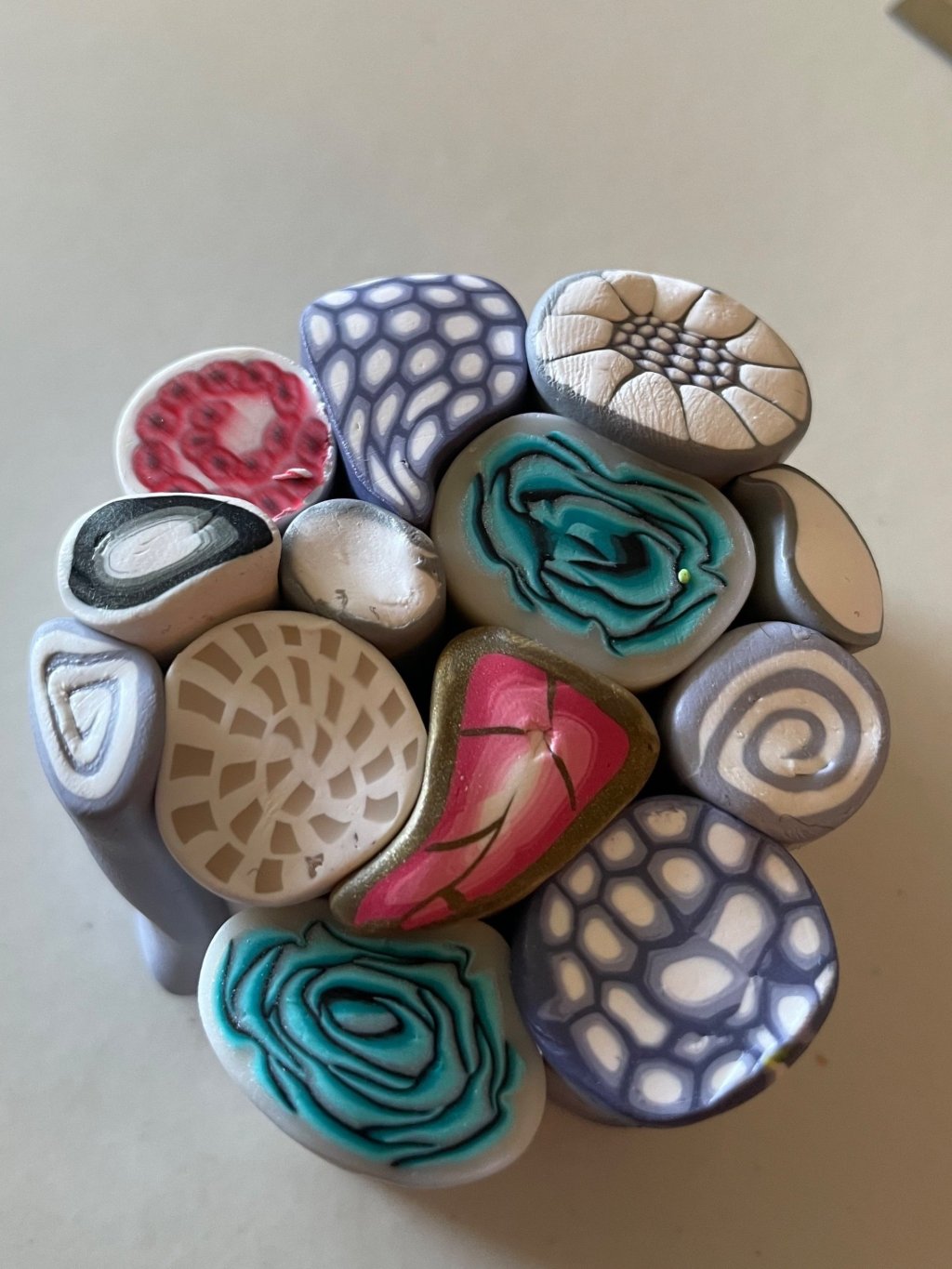

Title: Creative Ideas for Repurposing Leftover Polymer Clay Canes
Introduction:
Polymer clay canes are a popular choice for artists, crafters, and enthusiasts who love experimenting with this versatile medium. However, after creating vibrant designs and unique patterns, it’s common to find yourself with leftover clay canes. While it’s never tempting to discard them, there are plenty of creative ways you can repurpose these polymer clay remnants. Let’s explore some exciting ideas to make the most of your leftover polymer clay canes!
1. Jewelry Making:
One of the most popular ways to repurpose polymer clay canes is by using them to create stunning and unique jewelry pieces. Slice the canes into thin, even slices, and attach them to earring studs, necklace pendants, or bracelet charms. This will allow you to showcase the intricate patterns and vibrant colors in a wearable art form.
2. Decorative Magnets:
If you’re looking to add a touch of flair to your refrigerator or magnetic board, consider transforming your leftover polymer clay canes into decorative magnets. Flatten the clay slices slightly, attach a small magnet on the back, and bake according to the clay’s instructions. This simple yet effective project will make your fridge the envy of your guests.
3. Custom Coasters:
Give your coffee table a personalized touch by repurposing your polymer clay canes into custom coasters. Roll out the leftover clay into a uniform sheet and cut it into circular or square shapes. Arrange the sliced canes onto the clay base, ensuring a secure bond between the designs and the base. Bake the coasters as per the clay’s instructions and then apply a protective varnish for a professional finish.
4. Embellishments for Home Decor:
Add a pop of color and creativity to your home decor by incorporating polymer clay cane slices into various items. Transform plain photo frames, candles, or plant pots into personalized masterpieces by arranging and adhering the clay slices onto their surfaces. Get adventurous and experiment with different shapes and sizes to create a harmonious design aesthetic.
5. Mosaic Artwork:
If you have a substantial amount of leftover polymer clay canes, consider creating vibrant mosaic-style artwork. Slice the canes into different thicknesses and shapes, and arrange them onto a wooden or canvas base, adhering with strong adhesive. Use your imagination to create beautiful patterns, bold designs, or even depict scenes or objects. Seal the artwork with an appropriate sealant to preserve and protect it.
Conclusion:
Repurposing leftover polymer clay canes unleashes your creativity in new and exciting ways. From jewelry making to home decor, there are numerous possibilities to breathe new life into these remnants. So, the next time you find yourself with leftover polymer clay canes, embrace the opportunity to create something extraordinary and let your imagination run wild!
![]() Transforming Polymer Clay: The Remarkable Reduction Process
Transforming Polymer Clay: The Remarkable Reduction Process
In the artistic realm of polymer clay crafting, there exists a mesmerizing technique that allows skilled artisans to transform a collection of intricate clay canes into one cohesive masterpiece. This process, known as cane reduction, is a delicate art form that demands precision and finesse.
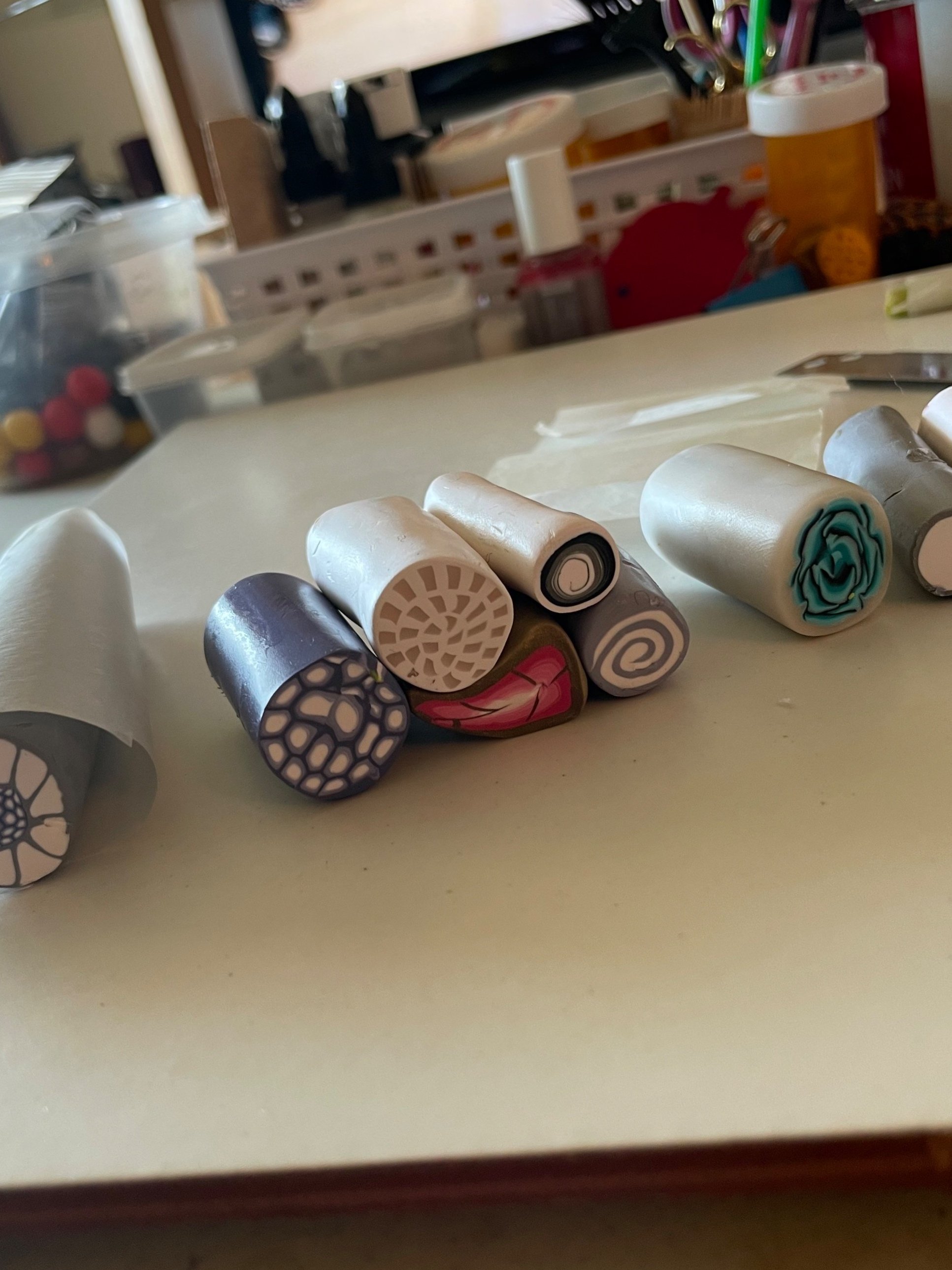
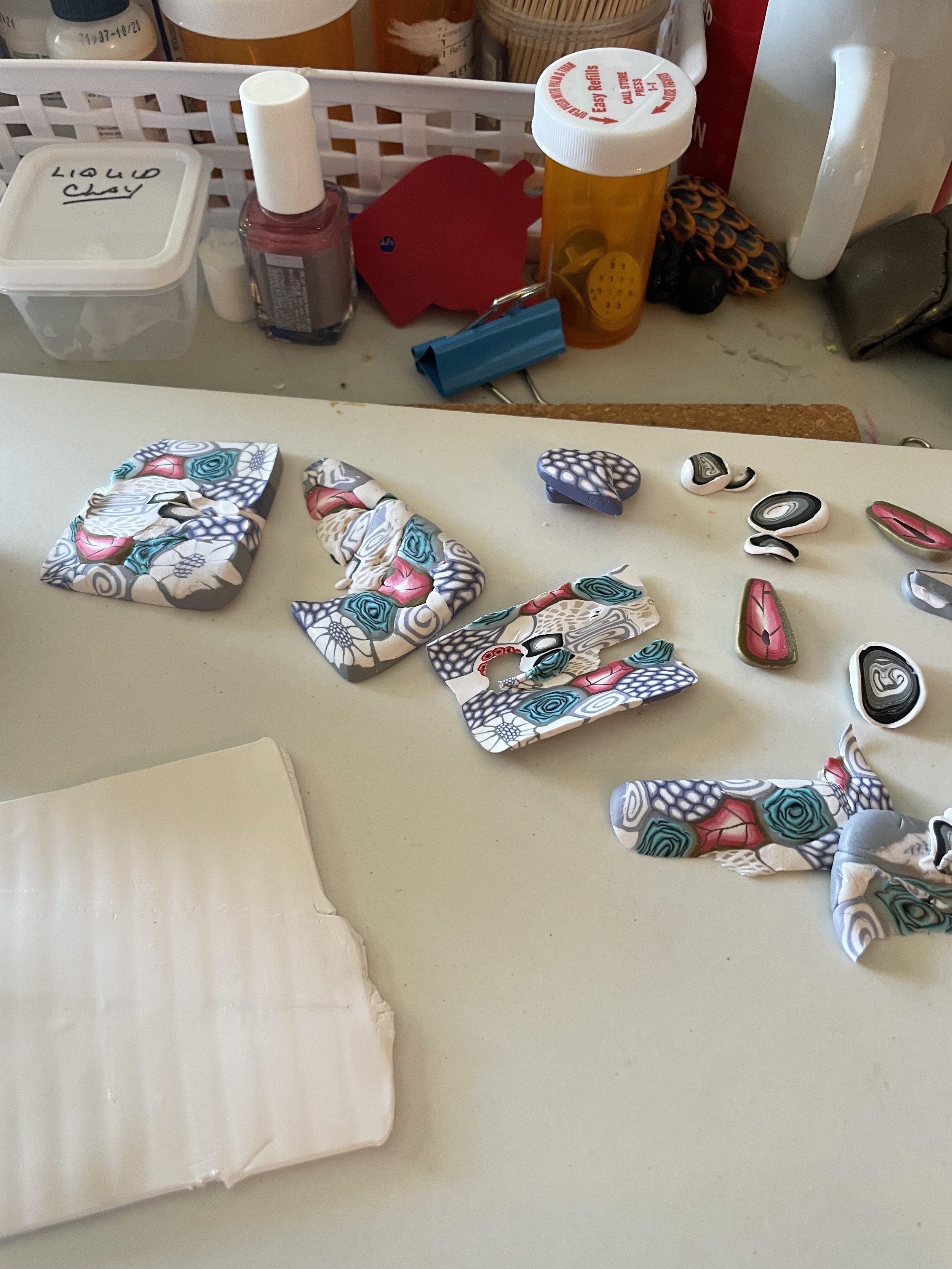
The transformation of numerous leftover polymer clay canes captivated my gaze. The previously discrete designs, ranging from delicate floral patterns to geometric wonders, were about to merge seamlessly into a single entity.
The vibrant and contrasting hues from each cane created a kaleidoscope of colours, tantalizing the imagination. With reducing it fused the canes together, melding them into a larger, unified form – the genesis of the final masterpiece.
Slowly, I started shaping the canes, utilizing my fingertips and palm to manipulate the soft clay. As the clay began to reduce and shift, the canes fractured and merged, combining their unique designs into an intricate tapestry.
The once-diverse patterns compressed into a mesmerizing blend, reminiscent of wisps of smoke curling in an ethereal dance. The rod became sleeker as the excess clay was carefully trimmed away, revealing an exquisite and intricate design that defied conventional sensibilities.
As I marvelled at the piece, I realized that the reduction process was more than just a technical endeavour; it required an intuitive understanding of the clay’s behaviour. It was an art form, not bound by strict rules but fueled by the my vision and ingenuity. It was as if the clay itself submitted to my hands, yielding to their creative force, and transforming into an object of unrivaled beauty.
Witnessing the transformation of leftover polymer clay canes into one harmonious cane was an awe-inspiring experience. Each slice that had borne an individual story now shared a common purpose, unified together. This magical alchemy of clay ignited an extraordinary journey that showcased the limitless potential within a seemingly mundane medium.
In the enchanting realm of polymer clay craft, the process of cane reduction serves as a testament to boundless creativity.
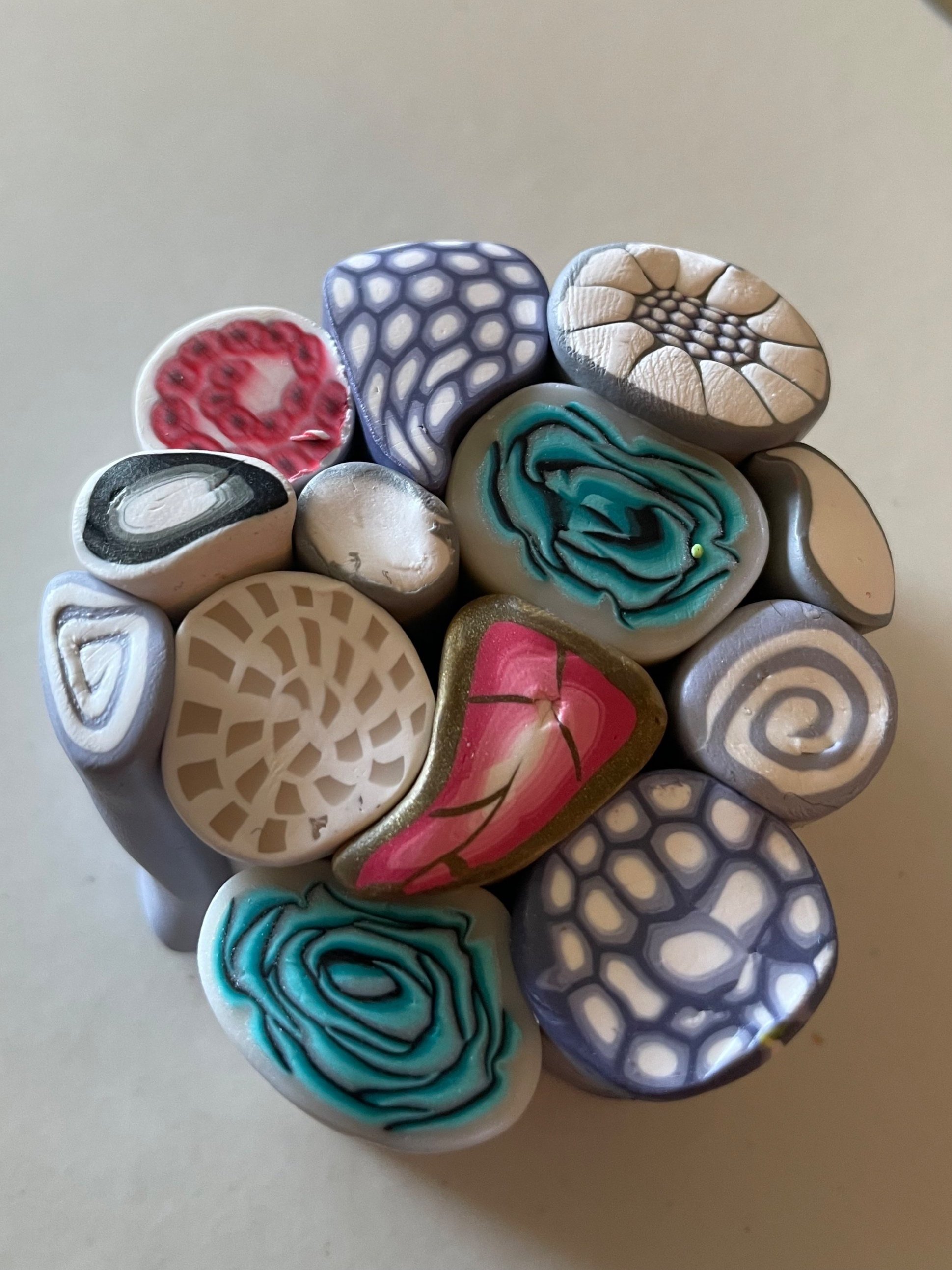
I started to take thin slices of various shapes and sizes, carefully arranging them on a pristine white layer of clay. Each slice was a small masterpiece in itself, with its vibrant colors and intricate patterns. As I delicately placed them one by one, a mesmerizing mosaic began to take shape.
With every slice I added, the artwork seemed to come alive, as if telling a story on its own. The slices interlocking and overlapping, creating a seamless tapestry of beauty. The sharp edges created a sharp contrast against the smooth background, drawing the viewer’s attention with their striking appearance.
As I continued my work, I couldn’t help but get lost in the process, my mind entranced by the meditative act of arranging each slice with precision. The clay formed a stable foundation for the artwork to flourish, allowing the colors to pop and the design to come alive. The thin white layer acted as a blank canvas, empowering every slice to shine in its unique way.
The artistry of the slices evoked a sense of wonder and fascination. I marveled at how a humble object, such as clay, could transform into a platform for creativity and self-expression. It was in this moment, as I meticulously positioned each slice, that I realized the power of art to transcend boundaries and capture the essence of human imagination.
As the last slice found its perfect place, I stepped back to admire my creation. The intricate patterns and vibrant colors had transformed the once plain white clay into a striking masterpiece. It was a testament to my creative journey, a reflection of my passion and dedication.
In that instant, I understood the magic of art. It had the ability to take ordinary objects and transform them into something extraordinary. And as I gazed at the final piece, I couldn’t help but feel a surge of pride and fulfillment. I had turned slices and clay into art, leaving behind a tangible representation of my creativity and the beauty that can emerge from the simplest of materials.
Creating a Bangle Bracelet: Refining the Polymer Clay Design.
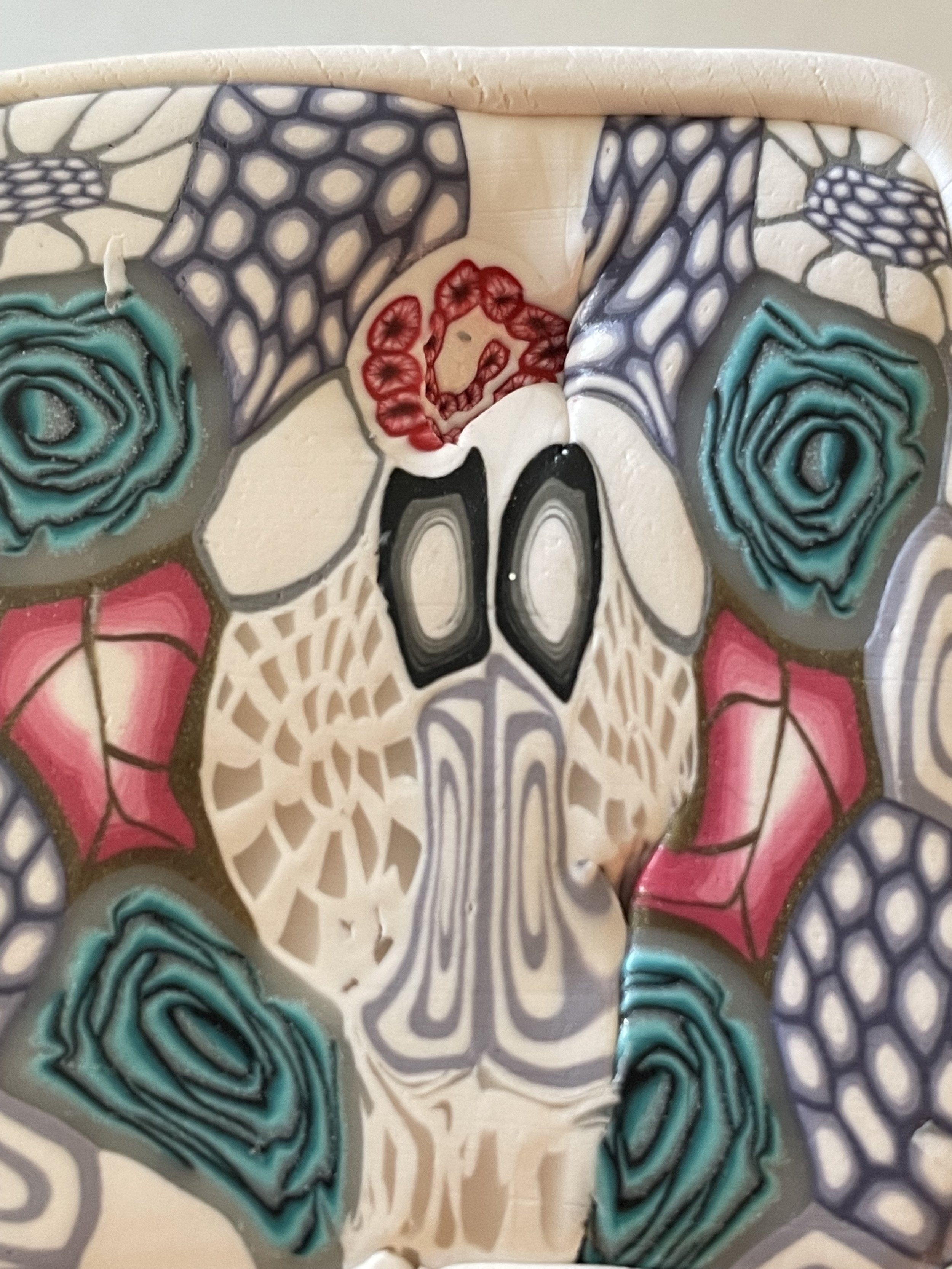
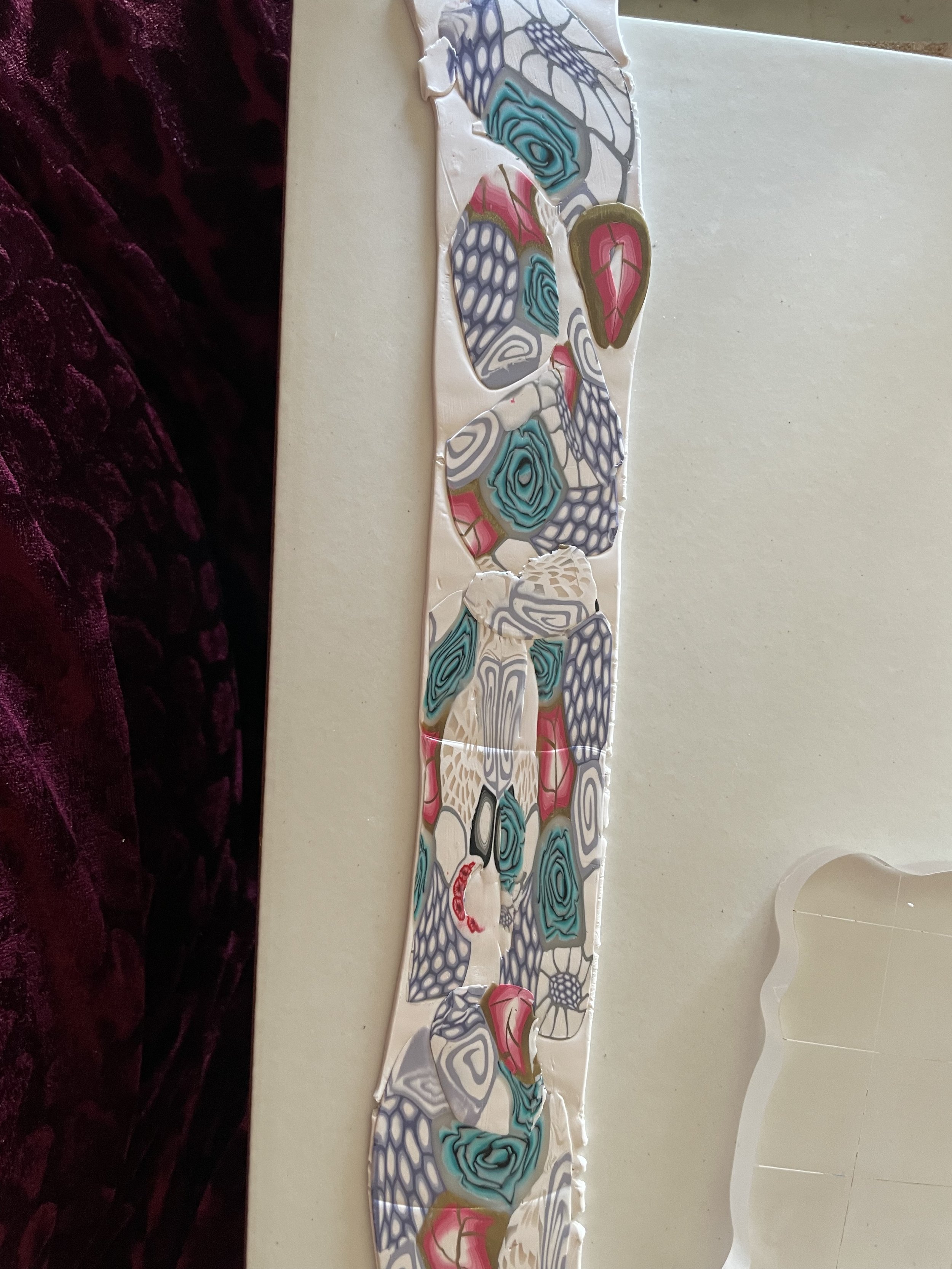
As polymer clay artist I worked diligently on this latest project, my creative focus was centred on refining the design of a bangle bracelet. With a thin white slab as the canvas, I delicately placed and arranged slices of reduced polymer clay canes onto its surface.
The selection of polymer clay canes, meticulously reduced to reveal intricate patterns, holds the potential to transform the otherwise plain white slab into a mesmerizing piece of wearable art. Piece by piece, I deftly arrange the slices, considering colour, size, and pattern to create a captivating composition.
The process, however, is far from complete. Although the slices have been diligently attached to the thin white slab, I recognize the need for further refinement. Taking a moment to step back and observe the design, my discerning eye detects imperfections that yet require attention.
With a steady hand, I began the task of smoothing out the surface. Employing gentle, sweeping motions, I worked to eliminate any rough edges or inconsistencies present on the polymer clay slices. Each stroke contributes to the tactile perfection of the bangle bracelet, ensuring a seamless and harmonious finish.
This intricate process of smoothing is crucial, for it sets the stage for the transformation that lies ahead. The meticulous attention to detail employed during this stage is essential, as it eliminates any potential defects that may compromise the bracelet’s final form, but it’s ok if it’s not perfect. That is what makes it organic.
OnceI am satisfied with the smoothness of the surface, I proceed to shape the malleable polymer clay into a bangle bracelet. This final step requires patience and finesse, asI mold the clay around a suitable form, allowing it to take on the desired shape.
From a simple white slab to a captivating bangle bracelet, the journey of transforming polymer clay into wearable art is a labor of love. Each delicate slice and every refined stroke contributes to the culmination of this artistic endeavor.
And when the finishing touches are applied, this wearable art will no doubt become a unique expression of creativity and flair for whoever wears it. Most likely me!
Indeed, the road to a formed bangle bracelet may be paved with effort and attention to detail, but the end result promises to be a testament to an artistic vision.


 Kimster's Studio
Leave a comment